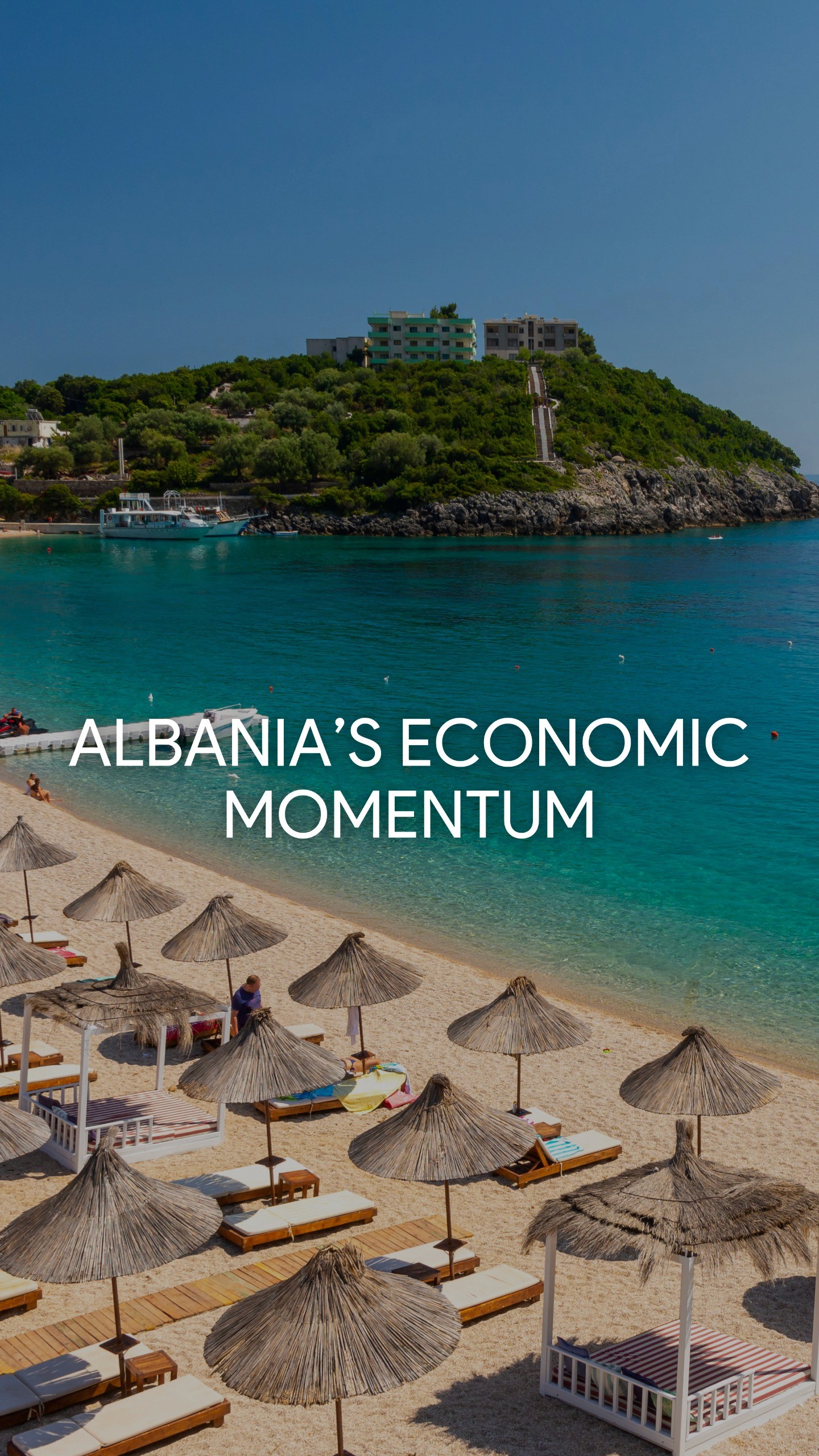
Albania’s economic momentum continues to build, with the latest IMF projections placing the country among Europe’s faster-growing economies. With GDP expected to rise by 3.5% in 2025 and 3.6% in 2026, Albania stands out in a region where many markets are slowing, adjusting to higher costs, or facing weaker consumer activity.
This upward trend is powered by strong tourism performance, solid private consumption, controlled inflation, and a steady decline in public debt. The combination creates a macroeconomic environment that not only supports local growth, but also attracts rising interest from foreign investors—particularly in sectors that rely on long-term stability.
Tourism and Stability: The Engines Behind the Outlook
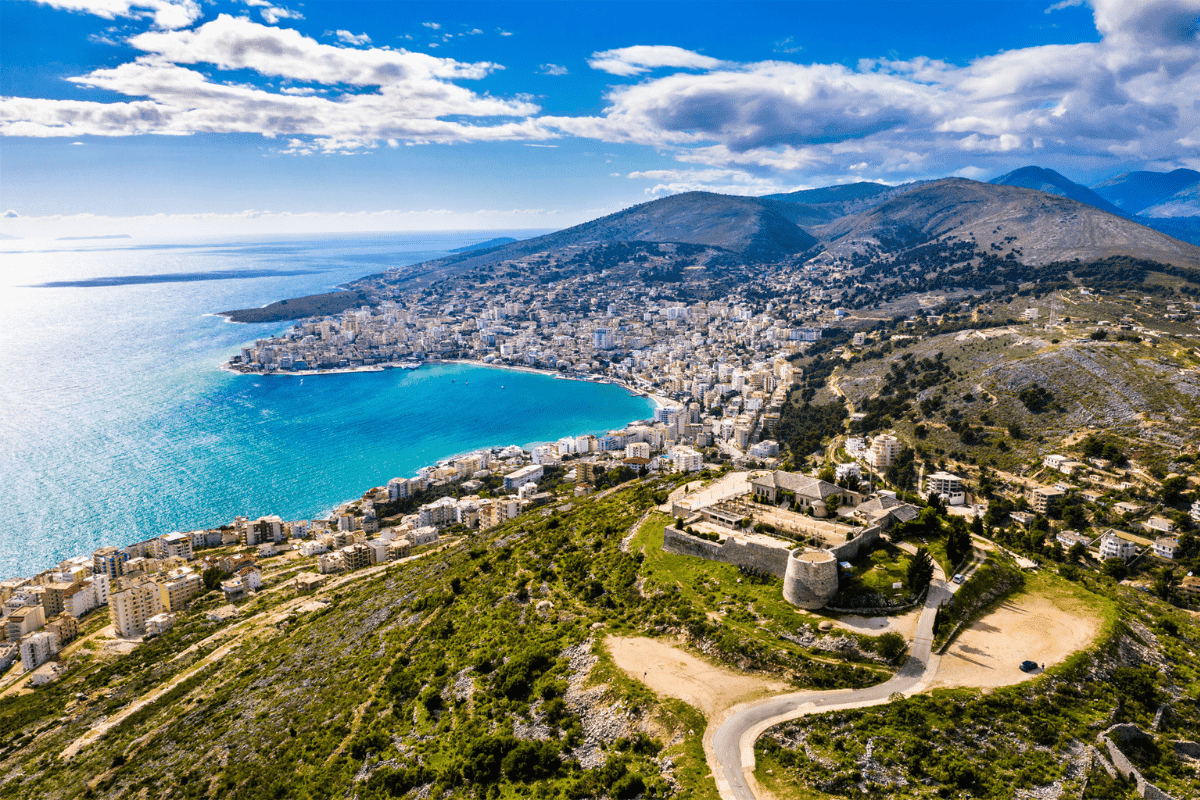
Tourism remains at the center of Albania’s growth story. Visitor numbers continue to climb, driving revenue across hospitality, transport, construction and coastal development. This aligns with insights we’ve highlighted in previous posts, where tourism’s evolution from seasonal to structural has reshaped the country’s investment landscape.
At the same time, inflation has stayed within manageable levels and public debt is moving downward—key indicators that enhance economic confidence. These improvements strengthen demand in high-interest sectors such as premium real estate, where growing investor appetite reflects the stability of the broader economy.
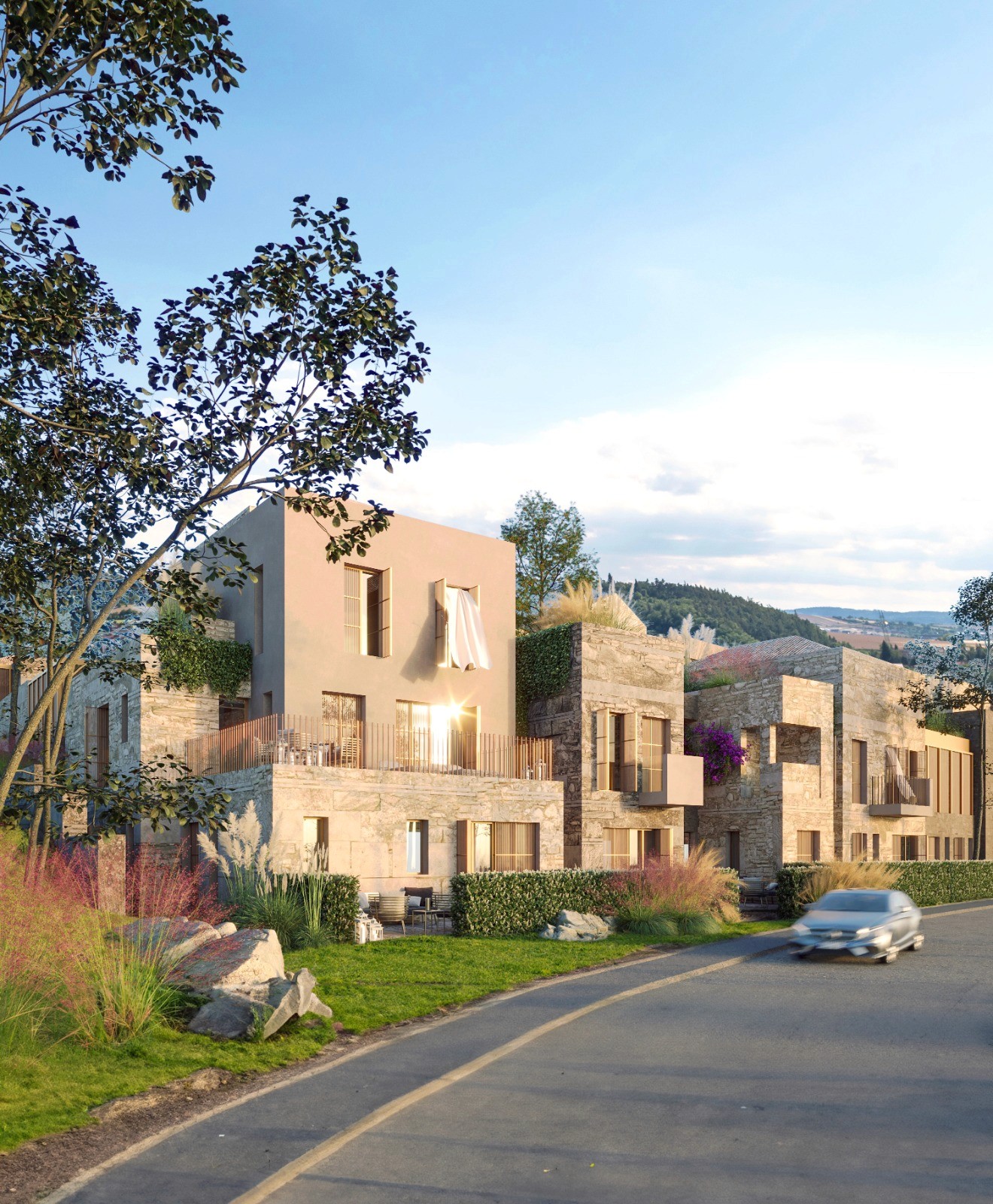
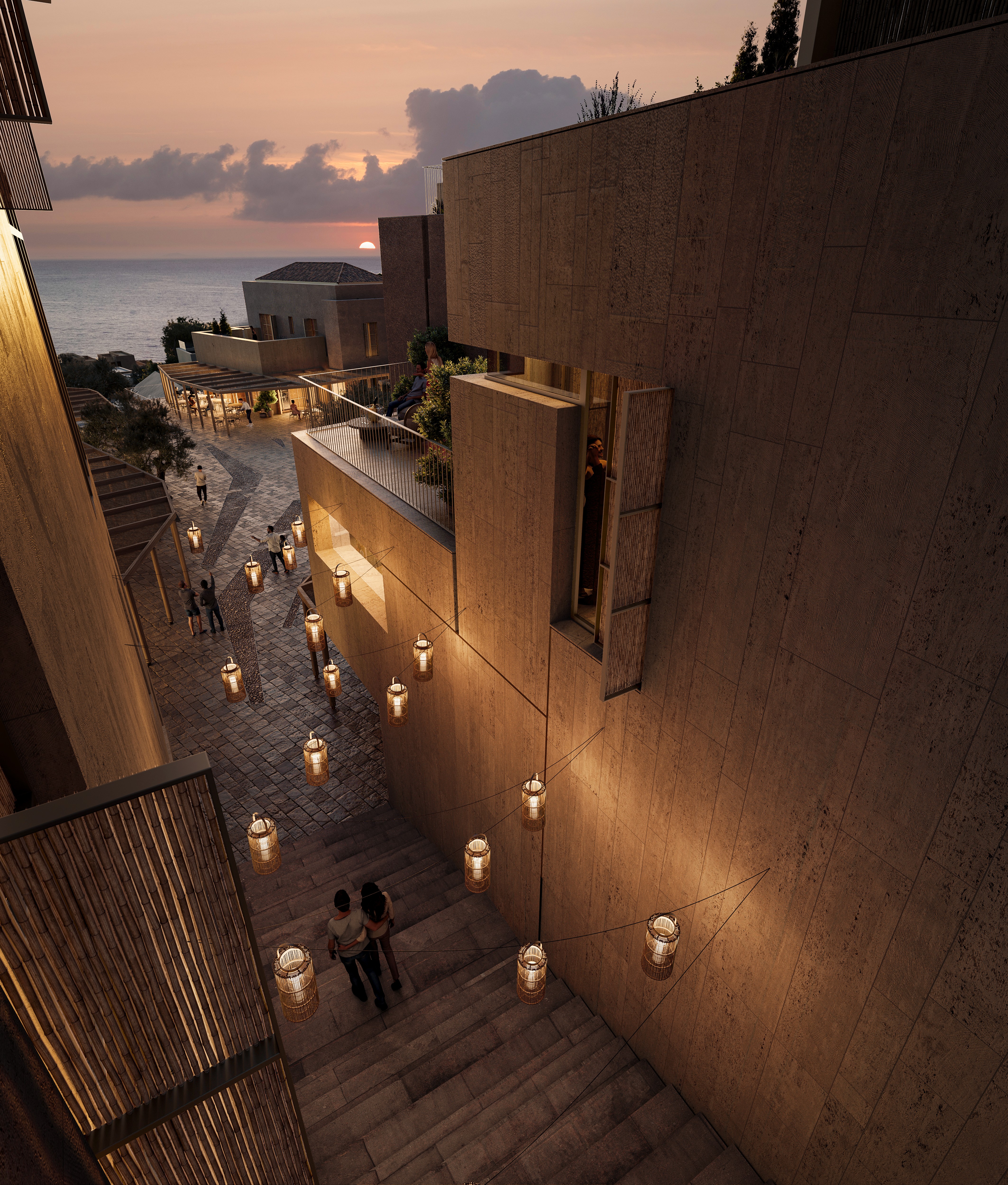
Sanders operates within this environment, representing opportunities for foreign ownership in select high-quality developments. While not the defining force of the market, Sanders aligns with the same fundamentals now drawing international attention: a stable economy, rising tourism-backed demand, and limited premium supply.
Why This Growth Phase Matters
Beyond the numbers, the real significance lies in the direction Albania is heading. The country is building a profile defined by predictability, fiscal responsibility and long-term opportunity—an attractive mix for investors, entrepreneurs and policymakers.
Readers familiar with our earlier coverage on foreign investment patterns, coastal development, and shifting demand in the premium segment will recognize the continuity. These new IMF projections reinforce the same narrative: Albania is moving toward a more resilient and competitive economic model.
And the momentum is far from over. In upcoming articles, we’ll explore how demand is reshaping Albania’s premium coastal zones, what international buyers are prioritizing today, and how the next decade may redefine the country’s real estate and tourism sectors.
The story is unfolding—and what comes next may be even more transformative than what we’re seeing now.